
How many times has an automatic gate seized up at the worst possible moment? In the rain, at the end of a long day, with a client waiting — but in most cases, the culprit isn’t a fault with the automation or the gate itself: it’s the lack of routine maintenance.
And if you have an automatic gate at home, or — even more so — if you’re an installer, you know this well: a regularly monitored system will rarely break down without warning and force an emergency call-out.
Maintaining automatic gates isn’t just good professional practice: in many countries it’s a regulatory obligation, governed by specific legal frameworks.
How often is maintenance required, and who’s responsible?
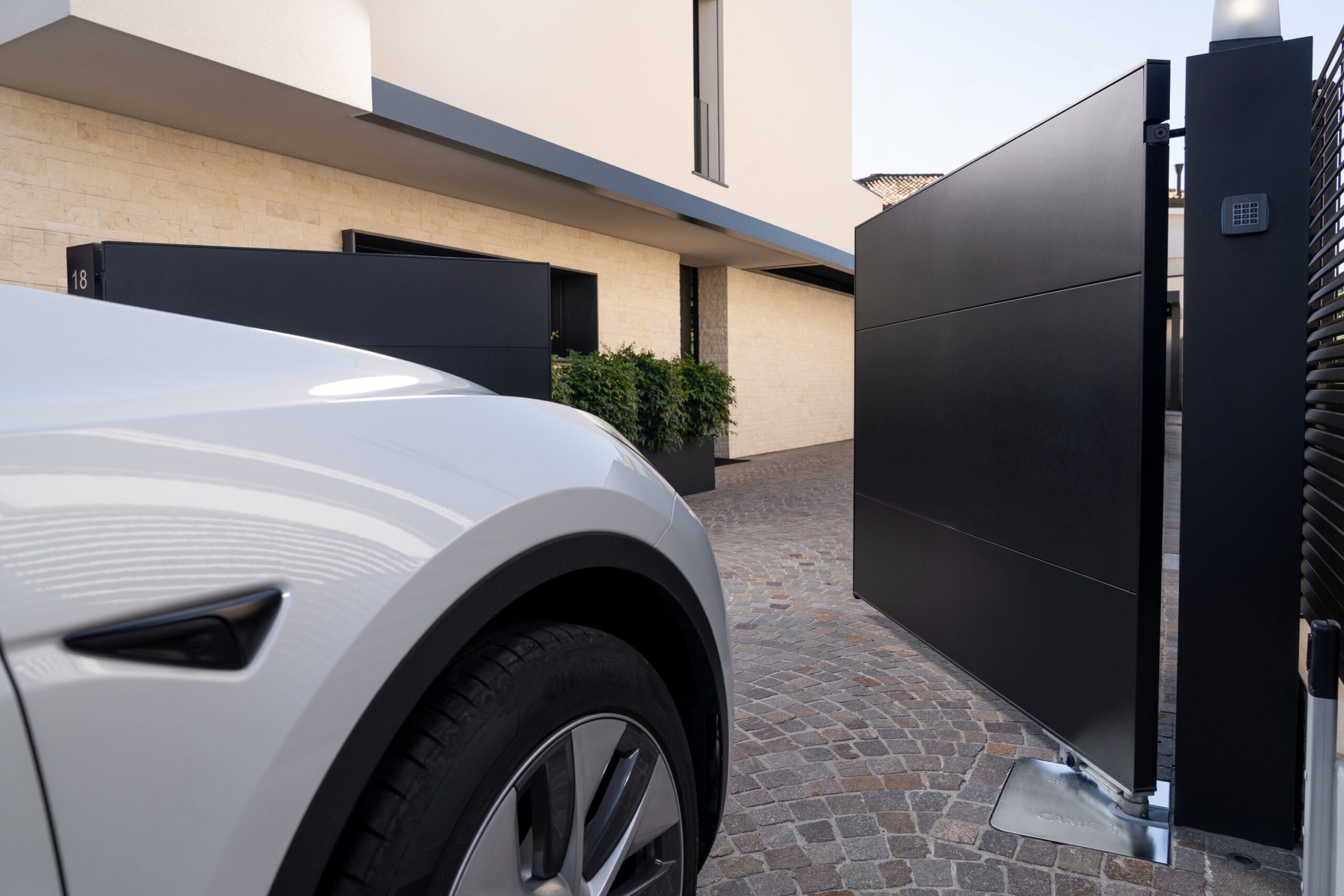
There’s no single fixed frequency that applies everywhere — for that, you should refer to the user and maintenance manual handed over to the client at the time of commissioning: this specifies the recommended service intervals for that particular system, based on the characteristics of the installed product.
As a general guide:
- Residential use: at least one service visit per year
- Intensive use (apartment blocks, businesses): at least one visit every six months
Responsibility for maintenance also varies depending on the context:
- Private home: the property owner is responsible.
- Apartment block: the facility manager is responsible, with costs shared proportionally among residents.
- Commercial or industrial premises: the person in charge of the system is responsible — often the employer or the designated safety officer.
In all three cases, maintenance must be carried out by qualified personnel. If you need to have your automatic gate serviced, CAME has a network of authorised installers you can turn to.
Routine maintenance: what to check
A routine maintenance visit is an opportunity to assess the overall condition of the system, not just its most critical or most visible components.
A systematic check allows you to catch problems early (before they turn into faults) and to document the work carried out in a traceable way.
The key operations recommended at each service visit are:
- Inspect the structure, hinges and guides visually: check for deformation, corrosion or visible mechanical wear on structural components.
- Check safety devices: photocells, safety edges and flashing lights must all be working and correctly aligned. Test the system’s response in both directions of travel.
- Lubricate arms, hinges, wheels and guides: use the correct lubricant for the type of mechanism. Racks, pins and articulated arm joints need particular attention.
- Check the control board and electrical connections: look for oxidation, loose connections or signs of overheating on the board.
- Test the manual release: make sure it’s accessible and functional, even without power.
- Check for firmware updates where applicable: on connected systems, such as those integrated with CAME Connect, it’s advisable to check that the onboard software is up to date.
For any accessories that need replacing during the visit, the full catalogue of automation accessories is available on the CAME website.
How long does an automatic gate motor last, and when should it be replaced?
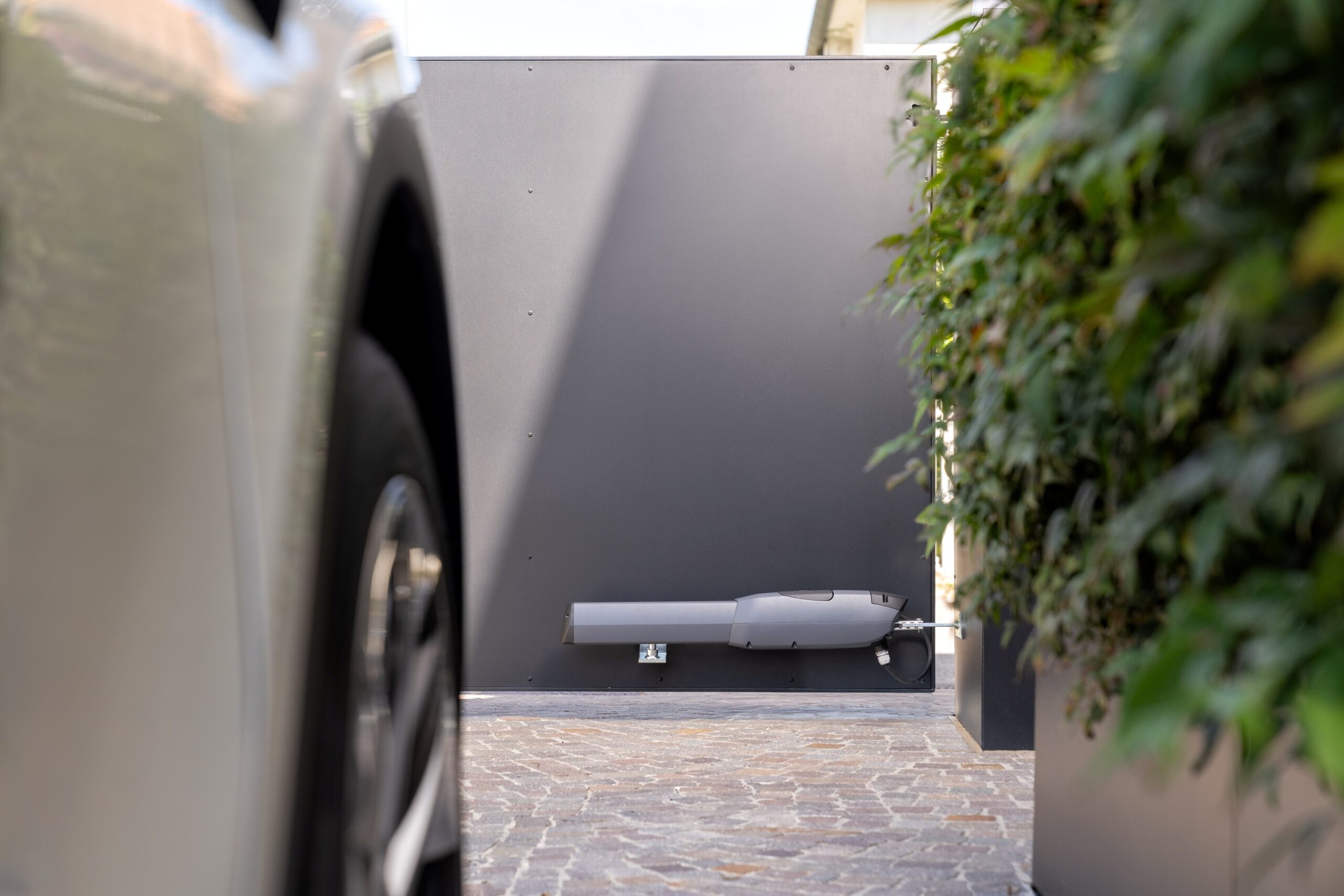
The lifespan of a quality gate motor depends on three main factors:
- how intensively it’s used
- how demanding the environmental conditions are at the installation site
- how regularly it’s maintained
Factors that significantly reduce motor lifespan include:
- heavy use without scheduled maintenance
- prolonged exposure to extreme weather conditions (temperature swings, high humidity, coastal or industrial environments)
- installation that doesn’t comply with the product’s technical specifications
CAME’s range of motors for sliding gates and swing gates covers every type of application, from light residential use to intensive industrial installations. The range includes both conventional motors and Brushless models, designed for long-term reliability with lower mechanical maintenance requirements.
How long does an automatic gate motor last, and when should it be replaced?
Watch for the following warning signs:
- unusual noises during operation
- slower opening or closing cycles
- the motor casing running hot even under normal use
Let’s look at this in more detail below.
Signs that a gate motor needs replacing
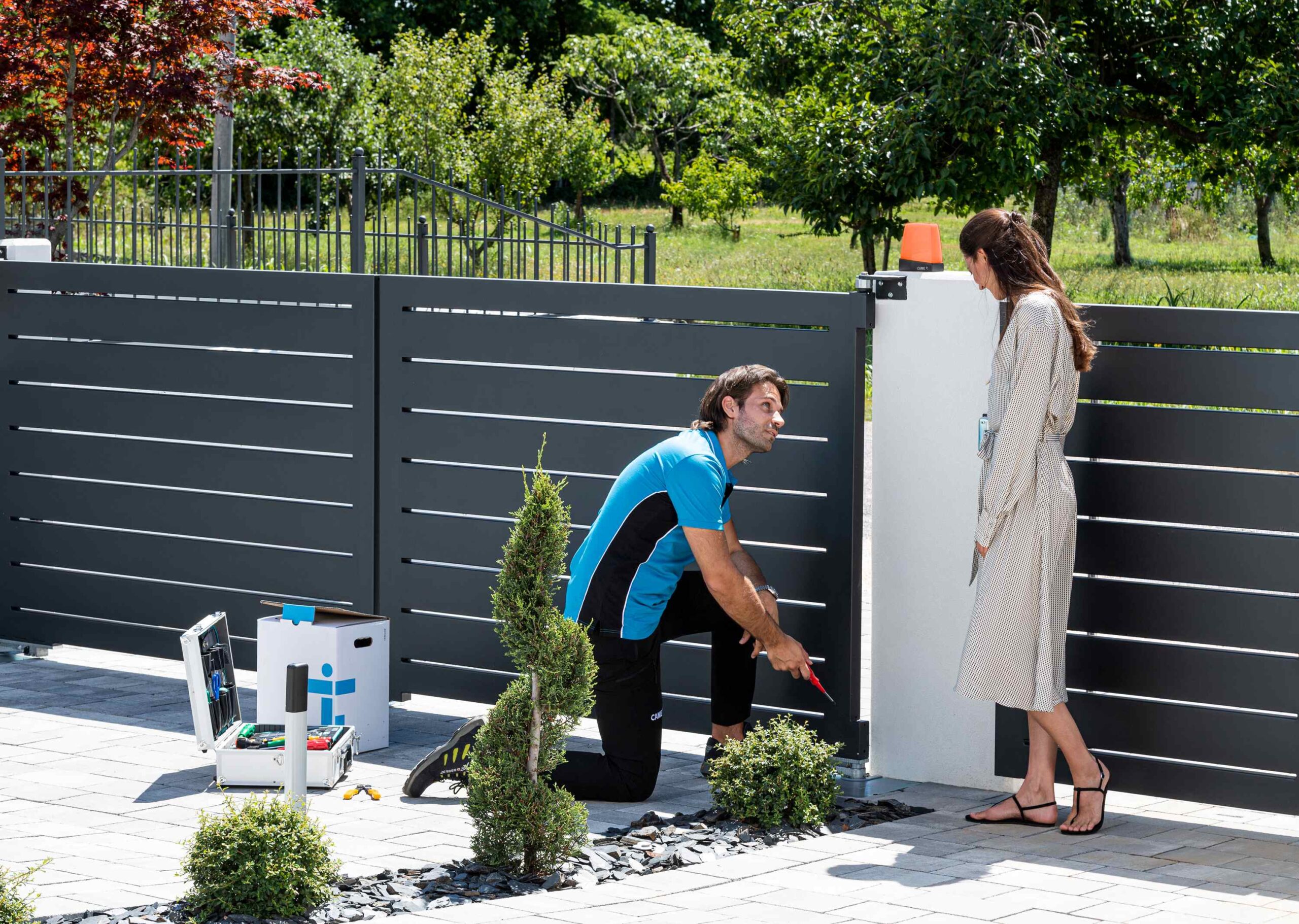
If you’re an installer, you’ll already know how to tell a temporary issue from structural wear. What follows is a practical reference to make that assessment more systematic — and to help you document your diagnosis and explain to the client, clearly and authoritatively, why the time has come to replace the system.
Signs that a motor should be replaced rather than repaired:
- Abnormal overheating of the motor casing even with usage cycles within the manufacturer’s declared norm.
- Current draw outside rated values, detectable with a clamp meter: indicates winding degradation or an abnormal increase in internal friction.
- Advanced wear of the rod or telescopic arm in linear models, with mechanical play that cannot be corrected.
- Repeated replacement of start capacitors in quick succession: a sign that the motor can no longer handle start-up peaks on its own.
- Significant loss of torque even after work on the control panel and recalibration.
- Persistent internal noises — grinding, clicking, vibration — that don’t resolve after lubrication and mechanical inspection.
That said, the decision to replace a gate motor should always be weighed against the age of the system, the estimated number of cycles, and parts availability.
On older installations, replacing the motor unit with a new-generation CAME model is often the most rational choice: it ensures full regulatory compliance, predictable performance, and the ability to integrate updated technology — such as remote management via CAME Connect — that simply wouldn’t be available on obsolete hardware.
Keeping systems running efficiently is the foundation of everything
Maintenance isn’t an added cost — it’s the condition that allows a system to operate safely over time, protecting both the owner and the installer. Carrying it out regularly means fewer emergency call-outs, longer-lasting installations, and clients who recognise the value of your work.
To find out more about CAME products or get support with managing your installations’ maintenance, get in touch — we’re here to help.